
Post
Mixed Emotion: How Clothing Communicates Without Words

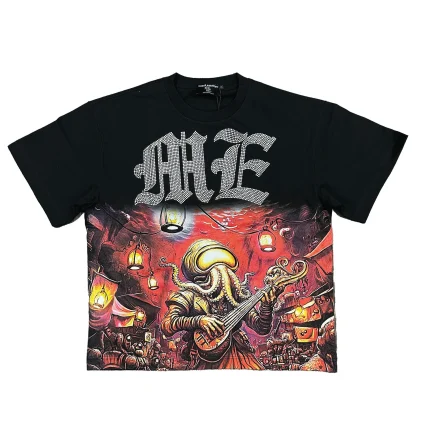
Mixed Emotion and the Unspoken Language of Streetwear
Before a conversation begins, clothing has already introduced something about the person wearing it. A faded graphic tee, an oversized hoodie, or a carefully coordinated outfit can suggest personal preferences without explaining where those choices came from. Streetwear makes this especially interesting because it draws on music, art, everyday experiences, and individual creativity. For Mixed Emotion, the relationship between clothing and communication provides a way to examine how fashion becomes part of personal expression.
The Messages Behind Everyday Clothing
People rarely choose every item in their wardrobe for the same reason. Some prioritize comfort, others look for distinctive designs, and many balance practicality with appearance. Over time, these preferences create recognizable patterns in how people dress.
A person who regularly wears relaxed silhouettes may appreciate freedom of movement or simply prefer that shape. Someone drawn to graphic clothing might enjoy illustrations, typography, or designs that stand out. Neither choice has a fixed meaning, but both contribute to how an individual presents themselves.
This is what makes clothing an interesting form of communication. It offers visual information without providing a complete explanation. Other people may form impressions from an outfit, yet those impressions do not necessarily reflect the wearer’s intentions. The difference between what clothing suggests and what someone actually means leaves room for personal interpretation.
Why Streetwear Encourages Individual Expression
Streetwear gives people considerable freedom to combine influences that might otherwise seem unrelated. Denim can sit alongside athletic pieces, vintage-inspired graphics can complement modern sneakers, and oversized tops can change the proportions of an otherwise simple outfit.
Rather than following one formal set of rules, wearers can build combinations around their interests and preferences. Music, skateboarding, sports, local communities, and visual art have all influenced streetwear in different ways. These connections help explain why the style can feel personal even when certain garments become widely popular.
Mixed Emotion Clothing fits naturally into a discussion of this relationship between clothing and identity. Its name can serve as a starting point for considering how fashion accommodates different moods, tastes, and interpretations. However, the meaning of an outfit ultimately depends on the person wearing it, not simply the label attached to the garment.
Graphics, Colors, and the Details People Notice
Design influences how an outfit communicates. Graphics can make a T-shirt visually prominent, while a restrained design may create a quieter appearance. Typography, illustrations, placement, and contrast all affect how a garment is perceived.
Color works in a similar way, although its meaning is not universal. Black might be chosen for its versatility, its visual simplicity, or its compatibility with other clothing. Bright colors can attract attention, but they do not automatically indicate a particular personality. Context matters as much as the individual color.
Small details also influence the overall impression. A layered outfit can look different from a single-piece combination, while changes in fit can alter the character of familiar clothing. These decisions allow people to develop a recognizable style without needing every item to feature a large logo or elaborate graphic.
For streetwear enthusiasts, the appeal often lies in how these elements work together. An outfit does not need to be complicated to communicate a clear aesthetic. Sometimes, one distinctive piece provides enough contrast to make the entire combination memorable.
Personal Style Is More Than Following Trends
Fashion trends can introduce people to new silhouettes, colors, and designs. Social media makes these influences particularly visible, allowing an outfit to reach audiences far beyond the community where it originated. Yet copying a popular combination does not necessarily create a lasting personal style.
Individual expression develops when people decide which influences genuinely suit them. Someone might borrow the proportions of a trending outfit but choose different colors or accessories. Another person might prefer older garments that have remained in their wardrobe for years. Both approaches can produce a distinctive result.
This process also explains why personal style changes over time. Interests evolve, lifestyles shift, and practical needs influence what people wear. An outfit that once felt unfamiliar can eventually become part of someone’s everyday wardrobe.
For clothing labels such as Mixed Emotion, this broader relationship between trends and individuality offers a useful perspective on how people approach fashion. Customers are not simply choosing fabric and design; they are deciding how a garment fits into the wardrobe and appearance they want to create.
Clothing and the Influence of Context
The same outfit can communicate different things depending on where it appears. A graphic hoodie and relaxed jeans may feel appropriate for a casual gathering, while the same combination might not suit a formal occasion. Weather, location, social expectations, and activity all influence how clothing is understood.
Cultural background matters, too. A particular design may reference a musical movement, an artistic tradition, or a community familiar to some wearers but unfamiliar to others. What seems ordinary to one person can carry a different association for someone else.
These differences are worth remembering because clothing cannot tell an entire story about its wearer. Appearance may offer clues about taste or interests, but assumptions based on a single outfit can easily be misleading. Personal expression works best when there is room for interpretation rather than a fixed set of judgments.
Making Fashion Personal
Clothing becomes more meaningful when people make deliberate choices instead of treating every purchase as a response to the latest trend. That does not require an expensive wardrobe or an entirely original aesthetic. Combining familiar pieces in an individual way can be just as effective as wearing something unusual.
Start with the garments that already feel comfortable and reflect your preferences. Consider which colors work together, how different fits change an outfit, and whether a graphic adds something meaningful to the overall look. Experimentation can happen gradually, without replacing everything you own.
Ultimately, clothing communicates through a combination of design, context, and personal choice. Streetwear makes that process particularly visible because it leaves so much room for mixing influences and developing individual combinations.
Mixed Emotion Shirt provides a relevant lens through which to explore this connection between fashion and self-expression. The most interesting outfits are not necessarily the loudest or most expensive. They are the ones in which the individual choices come together naturally, allowing clothing to say something without requiring the wearer to explain every detail.